
Blog • Garage door guides
Commercial Overhead Door Maintenance: The Essential Guide
For warehouses, storefronts, and service facilities, an overhead door isn't a convenience - it's infrastructure. When one fails, deliveries stop, security gaps open, and revenue walks out the door. Yet commercial doors are often maintained on a 'fix it when it breaks' basis.
This guide gives Atlanta facility managers a practical maintenance framework that prevents most failures before they happen.
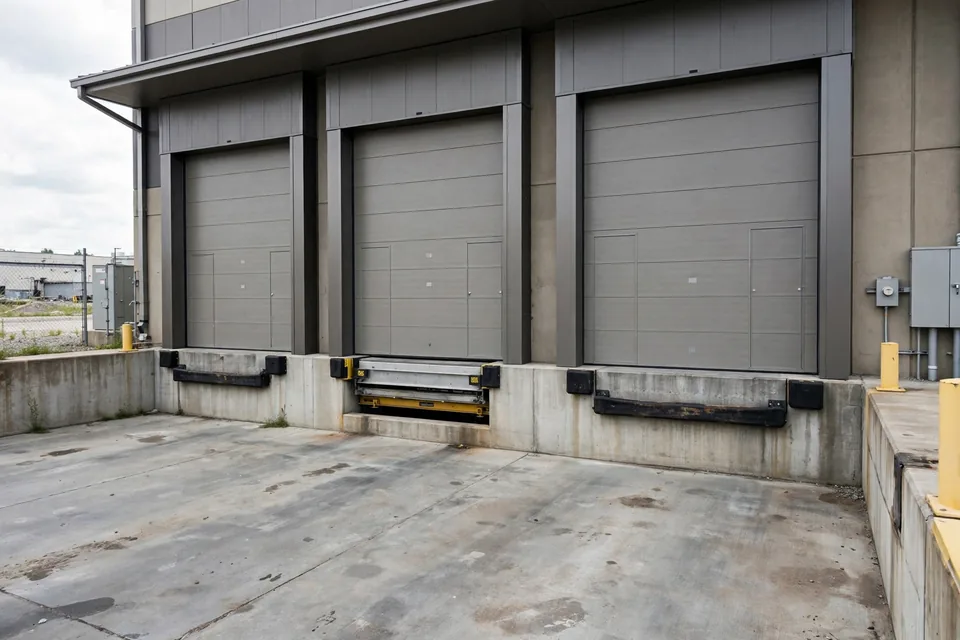
What to inspect monthly
Walk every door monthly with a simple checklist: look for frayed cables, cracked rollers, bent track or guide sections, damaged slats or panels, and worn weather seals. Listen during a full open-close cycle - new grinding, popping, or straining sounds are early warnings.
Check safety devices too: photo-eyes, bottom-edge reversing sensors, and warning lights or alarms. On high-traffic doors, these get dirty or knocked out of alignment regularly, and they're your liability protection.
- Cables, rollers, and springs for wear or damage
- Tracks, guides, and mounting hardware
- Safety sensors, reversing edges, and alarms
- Weather seals and bottom bars
- Operator chains, belts, and limit settings
Quarterly and annual professional service
Quarterly, have a technician lubricate and adjust high-cycle doors, check spring tension, test safety systems under load, and inspect operators. Annually, schedule a comprehensive service: full hardware torque check, cable and spring evaluation, operator diagnostics, and fire-door drop testing where applicable.
Fire-rated doors and shutters have code-mandated inspection intervals - missing them isn't just risky, it can affect insurance and occupancy compliance. Keep dated records of every inspection.
The cost of neglect vs. a maintenance plan
Emergency commercial door repairs cost multiples of planned maintenance - after-hours calls, expedited parts, and downtime losses add up fast. A door that fails during a delivery window can cost more in one afternoon than a year of preventive service.
Maintenance plans spread that cost predictably and, more importantly, catch the worn cable or fatigued spring during a scheduled visit instead of during your busiest shift. Ask about plan options during your free assessment.
Document everything. A simple log - date, door number, what was checked, what was found - turns maintenance from a vague intention into a managed program. It also proves due diligence if an incident ever leads to questions, and it helps you spot which doors are costing more than their share so you can plan replacements instead of reacting to failures.
Finding the right commercial door partner
Commercial doors differ from residential in scale, hardware, and code requirements - you want technicians who do this work daily, not as an occasional sideline. Look for experience with your door type: rolling steel, sectional, high-speed, or fire-rated.
Call (678) 940-0457 and we'll connect your Atlanta facility with experienced commercial door professionals for maintenance plans, repairs, and inspections - starting with a free on-site assessment.
When vetting commercial providers, ask three pointed questions: how many commercial doors they service each month (you want a commercial specialist, not a residential tech who occasionally handles commercial work), what their guaranteed emergency response time is, and whether they stock common parts for your specific door brands. The answers separate genuine commercial door partners from generalists within minutes - and the wrong choice becomes painfully obvious at 2 AM during a dock door failure.
Need a pro for this?
Reading helps — but most of these jobs are faster (and safer) in professional hands. Atlanta Garage Door Pros connects you with a local specialist: call (678) 940-0457 for a free estimate.